Planning a first trip to Kenya from Russia raises questions that general safari guides tend to skip. Which entry system applies now that Kenya has moved to the Electronic Travel Authorization. How reliably will a Mir or Visa card work outside Nairobi. This kenya safari guide for russian speakers works through those questions in order, from entry paperwork to flights, payments, seasons, and park choice, before covering operator vetting and realistic costs. It uses transparent, labeled price ranges rather than one fixed package, so you can weigh the Masai Mara against Amboseli, Samburu, or Tsavo on your own terms.
What Makes a Good Kenya Safari Guide for Russian Speakers?
A Russian-speaking guide is helpful but not essential in Kenya, because English is standard across lodges, parks, and most safari operations. Choose one if you want detailed explanations in Russian, need help with medical or travel questions, or are less comfortable communicating in English. Confirm the guide’s identity, qualifications, and language ability before paying anything.
Most driver-guides in Kenya’s main parks work daily in English and have deep knowledge of animal behavior, tracking, and photography angles. A dedicated Russian-speaking guide adds a layer of comfort, especially for older travelers or families with children, but it usually raises the daily rate. Some operators pair an English-speaking driver-guide with a separate Russian interpreter rather than employing a bilingual guide directly. Ask which setup you are getting before you commit, since the two differ in cost and in how much wildlife knowledge gets lost in translation.
Do Russian Citizens Need a Visa or eTA for Kenya?
Russian citizens should obtain Kenya’s Electronic Travel Authorization before departure through the official Kenyan application system. Apply at least two weeks ahead so a processing delay does not affect the itinerary, and check the current government fee before submitting payment. Travelers combining Kenya with Uganda and Rwanda should also compare the East Africa Tourist Visa.
Kenya replaced its earlier eVisa with the eTA system, so older instructions online may be out of date. Processing a Kenya eTA for Russian citizens is normally handled within a few business days, though delays happen during busy periods. Apply only through Kenya’s official government portal, since third-party sites often charge a markup for the same service. Keep a printed and digital copy of the approval, your passport, and your return ticket, because border officials sometimes ask for all three.
Are There Direct Flights from Moscow to Nairobi?
Travelers from Moscow generally reach Nairobi with a connection through Istanbul, Dubai, Doha, or another regional hub, because nonstop options are not normally available. Allow roughly 12 to 16 hours including a connection, and schedule the first night near the airport or in Nairobi if arriving late. Book international flights separately from internal safari flights only after checking baggage limits.
Connection choice affects more than travel time. Istanbul and Dubai routings tend to offer more schedule options, while a Doha connection can work well if your dates align. Build in a buffer of at least two to three hours between an international arrival and any onward flight to a safari airstrip, since immigration and baggage claim in Nairobi can take longer than expected.
Are Russian Bank Cards Accepted in Kenya?
Russian-issued Mir cards and many Russian-issued Visa or Mastercard cards may not work reliably in Kenya. Arrange the safari payment with the operator in advance, usually by an agreed bank transfer or another lawful payment method, and carry accessible cash in US dollars for tips and small expenses. Exchange money through banks or licensed forex bureaus and keep notes in good condition.
Do not rely on being able to withdraw cash from an ATM once you reach the Mara or Amboseli, since machines are limited outside Nairobi. Settle the main safari cost before departure and agree the payment method and currency in writing. US dollars printed after 2006, in clean condition without tears or heavy marks, are the most widely accepted for tips and incidental purchases.
What Is the Best Time for a Kenya Safari?
June to October is the most dependable all-round safari period, with drier roads, shorter grass, and wildlife gathering near water. January and February also offer strong game viewing with warm weather and often fewer visitors. March to May brings the long rains, lower rates, and greener scenery, but muddy roads and camp closures can disrupt plans. November usually brings shorter rains.
If a Mara River crossing is the priority, aim for roughly July through October, though the exact timing shifts with rainfall each year and is never guaranteed. For more detail on seasonal patterns, this best time to visit Kenya for safari breakdown and our dedicated best time to visit Masai Mara guide both go deeper into month-by-month conditions. Photographers weighing the rainy season against clearer skies may also want to check rainy season photography in Kenya before locking in dates.
Which Kenya Safari Parks Are Best for First-Time Visitors?
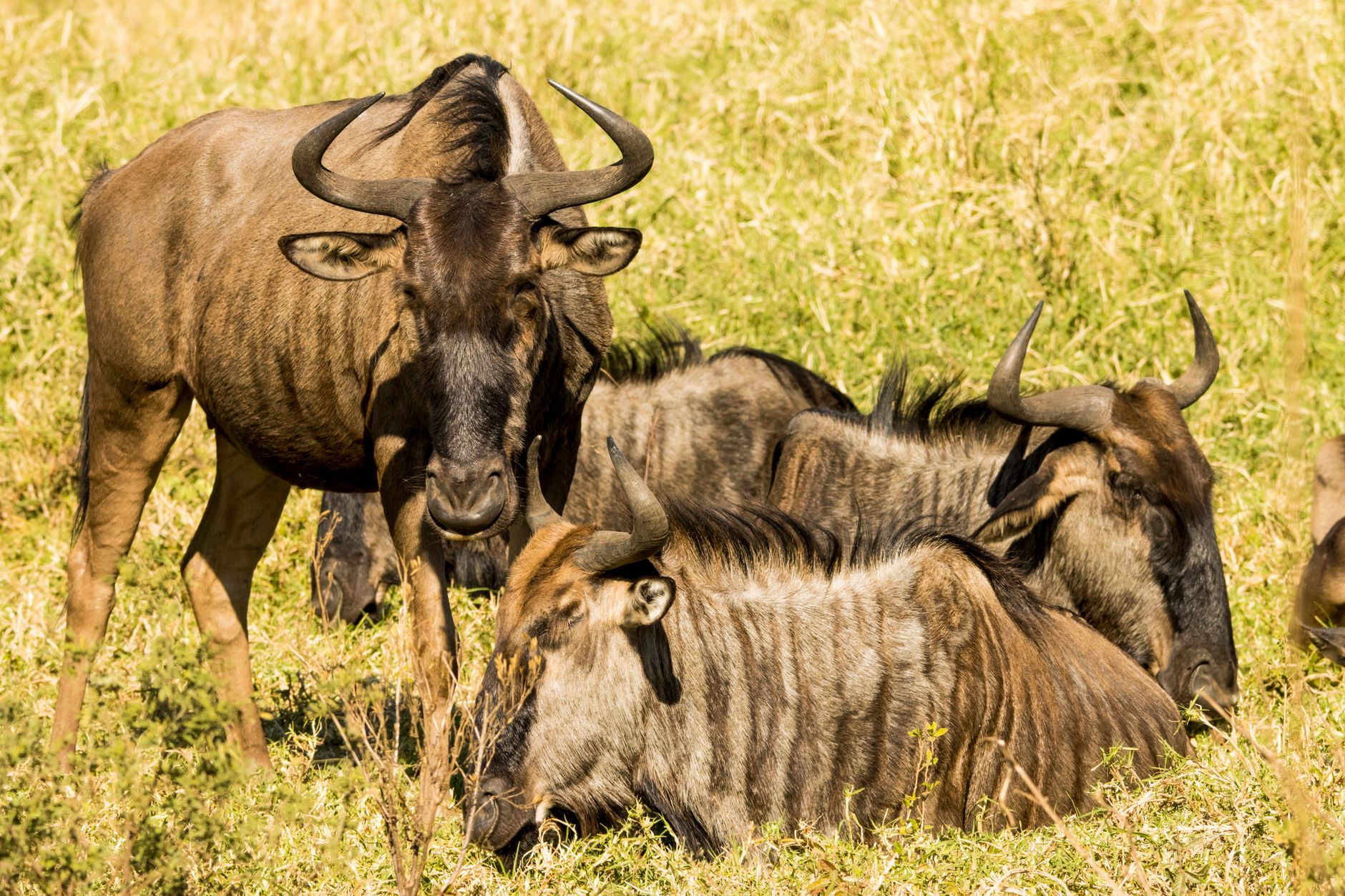
The Masai Mara is the strongest first-safari choice for big cats and, from roughly July to October, possible wildebeest crossings. Amboseli is best for elephant sightings and Kilimanjaro views, while Samburu adds dry-country scenery. Mara North and Naboisho conservancies offer quieter drives, but their conservation fees increase the total cost.
Our Masai Mara guide and Amboseli safari guide cover each park’s layout, entry points, and typical game drive routes in more depth. If you are undecided between the two, the Masai Mara versus Amboseli comparison lays out the trade-offs plainly. Private conservancies attached to the Mara operate under their own rules on vehicle numbers and night drives, so read our Kenya safari conservancy rules guide before booking a conservancy stay, since the rules and fees differ from the national reserve.
How Much Does a Kenya Safari Cost?
Basic camping safaris can cost roughly USD 150 to 250 per person per night, mid-range trips about USD 250 to 500, and luxury safaris USD 500 to 1,200 or more. International flights, some park or conservancy fees, tips, insurance, and optional activities may be additional.
| Safari style | Indicative price per person per night (USD) | What it typically includes |
|---|---|---|
| Budget camping | 150-250 | Shared camping, set-menu meals, shared game drive vehicle |
| Mid-range lodge or tented camp | 250-500 | En-suite room or tent, full board, scheduled game drives |
| Luxury camp or private conservancy | 500-1,200+ | High-end tent or suite, private or small-group vehicle, extra activities |
These are indicative ranges, not fixed quotes. Confirm current pricing directly with the operator before booking.
A seven-day trip commonly begins near USD 2,000 per person for budget travel and rises with private vehicles, conservancy stays, and peak-season accommodation. Our Kenya safari cost breakdown separates park fees, accommodation, and transport, and the Masai Mara private vehicle cost and Amboseli private vehicle cost pages show what a private vehicle upgrade typically adds.
Do Kenyan Safari Guides Speak Russian, and How Do You Verify One?
Ask for the guide’s full profile, guiding experience, language level, vehicle type, licensing details, and recent references from Russian-speaking clients. Confirm whether the guide personally travels with the group or whether an interpreter is added to an English-speaking driver-guide. The written quote should separate accommodation, park fees, flights, transfers, meals, tips, and optional activities.
Genuinely fluent Russian-speaking guides are not available at every Kenyan operator, so demand can outpace supply during peak months. A Russian-speaking safari guide Kenya listing on a website is not proof of anything by itself, ask for a short video or voice message from the actual guide before paying a deposit. Reputable agencies serving a Kenya safari for Russian tourists will share this detail along with a full breakdown of what is included in the quoted price. Treat quotes well below the ranges above with caution, since corners are usually cut on vehicle condition, park fees, or guide experience.
What Should You Pack for a Kenya Safari?
Pack lightweight neutral clothing, a warm layer for early drives, a hat, sunscreen, insect repellent, binoculars, a camera, prescription medicines, and soft luggage that fits internal-aircraft limits. Expect early starts, rough roads, limited Wi-Fi, and different temperatures between Nairobi, the Mara, Amboseli, and northern Kenya. Carry a power adapter and plan for Kenya’s 240-volt electrical supply.
Our full Kenya safari packing list covers luggage weight limits for small aircraft and what to leave at home. Footwear matters more than most first-time travelers expect: comfortable closed shoes for game drives, plus a second pair for camp, and our note on safari shoes explains why. Mornings in the Mara and Samburu can be cold enough for gloves, even though afternoons turn warm.
What Is a Good Kenya Safari Itinerary for Russian-Speaking Travelers?
A balanced first itinerary is six or seven days split between Nairobi, Amboseli or Lake Nakuru, and the Masai Mara. Add Samburu or Tsavo for a longer, less concentrated route. Use internal flights when time is limited, but keep at least two nights in major parks so wildlife viewing is not reduced to long transfer days.
A common route pairs two nights in the Mara with two nights in Amboseli or the Lake Nakuru area for rhino and flamingo sightings, plus a Nairobi night on either end. Travelers with more time sometimes extend north to the Samburu safari guide region, or south toward the Tsavo safari guide parks for a quieter, larger landscape. Whichever route you choose, most itineraries are built around spotting the Big Five, and our Big Five Kenya overview explains where each species is most reliably seen.
What Else Do Russian-Speaking Travelers Ask About Kenya Safaris?
Do I need a Russian-speaking guide to visit Kenya?
No. English is standard among Kenyan safari drivers, lodge staff, and park personnel. A Russian-speaking guide is worthwhile mainly for detailed interpretation or extra comfort with medical and logistical questions.
Do Russian citizens need a visa for Kenya?
Yes, through the Electronic Travel Authorization system, which replaced the former eVisa. Apply via the official Kenyan portal well before departure and verify the current fee, since rules can change.
Are there direct flights from Moscow to Nairobi?
Not normally. Most travelers connect through Istanbul, Dubai, or Doha, with total journey time of roughly 12 to 16 hours, so a Nairobi overnight before a road safari can help.
Are Russian bank cards accepted in Kenya?
Not reliably. Mir cards and many Russian-issued Visa or Mastercard cards may fail. Pay the operator by a confirmed lawful method before arrival and carry backup cash in US dollars.
How much does a Kenya safari cost?
Roughly USD 150 to 250 per person per night for camping, USD 250 to 500 for mid-range, and USD 500 to 1,200 or more for luxury, before flights and tips.
Is Kenya safe for Russian tourists?
Kenya’s established safari areas see steady international visitor traffic, and operators are used to guiding travelers of every nationality. Standard precautions apply: use a vetted operator and follow your guide.
How Do You Book a Russian-Speaking Safari Guide in Kenya?
Booking directly with a named, verifiable guide is safer than arranging one through an unverified social media message. Once you have shortlisted a few options using the checklist above, compare full quotes side by side rather than headline prices alone. For a different market’s notes, see our language-specific Kenya safari planning advice for German-speaking travelers. When ready to compare packages, browse safari operators such as FindMySafari, Valley Safaris, or Trunktrails Safaris, and check any quote against the ranges and questions in this kenya safari guide for russian speakers before committing to a deposit.
Where Can You Find More Kenya Safari Planning Resources?
- Kenya safari packages from SafariPure
- Kenya wildlife tours from Trunktrails Safaris
- Map of Amboseli from Valley Safaris
- Compare Kenya safari packages on FindMySafari